
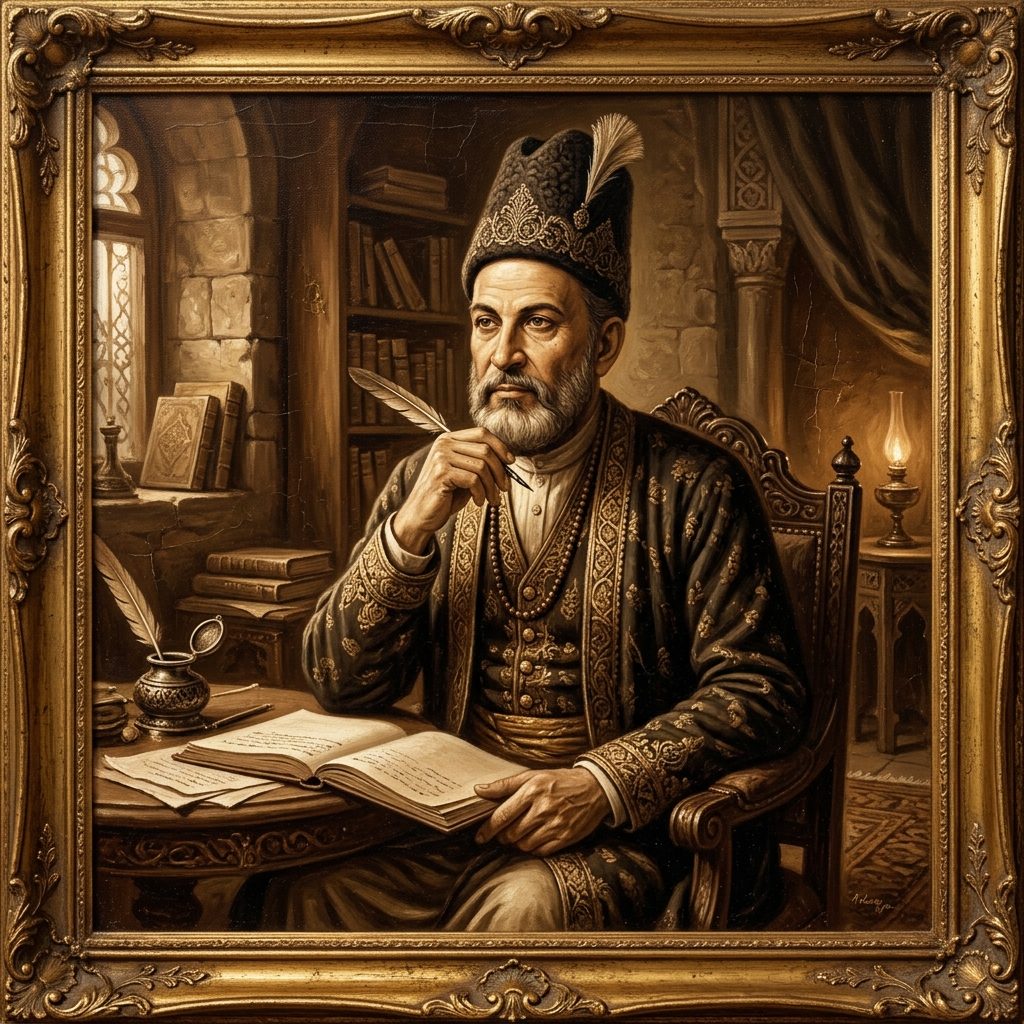
Anand Bakshi
Anand Bakshi (1930–2002), born Bakshi Anand Prakash Vaid on 21 July 1930 in Rawalpindi, was Hindi cinema's most prolific lyricist — the soldier turned poet whose plain words carried four decades of film songs. His grandfather was a superintendent of police in Rawalpindi and his father served in the army; his mother died when he was nine. At fourteen he joined the Royal Indian Navy, serving three years, then joined the army, where his poems appeared in the army's own magazine; he left the army in 1950 and came to Bombay dreaming of becoming a singer. Sahir Ludhianvi taught him to weave poetry into lyrics and introduced him to producers, and his first film songs came in Bhalaa Aadmi (1958). His breakthrough came with Jab Jab Phool Khile (1965) and Milan (1967), and from there he wrote nearly thirty-three hundred songs in about six hundred and thirty films — more than any other lyricist of his time — for Laxmikant-Pyarelal, R. D. Burman, Kalyanji-Anandji and a generation of composers, becoming Rajesh Khanna's favoured lyricist. His songs run the whole range of Hindi film feeling — "Dum Maro Dum", "Chingari Koi Bhadke", "Kuch To Log Kahenge", "Zindagi Ke Safar Mein", "Chitthi Aayi Hai", "Yeh Dosti Hum Nahin Todenge", "Tujhe Dekha To Yeh Jaana Sanam", "Mehendi Laga Ke Rakhna", "Aadmi Musafir Hai" — love songs and laments, lullabies and anthems, in words anyone could sing. He won the Filmfare Award for Best Lyricist four times, in 1978, 1981, 1995 and 1999, from forty nominations, and he was still writing hit songs at seventy, for Mohabbatein (2000). He also sang in five films himself. He died in Bombay on 30 March 2002, aged 71. His son Rakesh's life of him, Nagme, Kisse, Baatein, Yaadein, appeared in 2021.
Follow Anand Bakshi
0 FollowersReceive instant email alerts whenever new Ghazals, Nazms, or Couplets by Anand Bakshi are published.