Bano Qudsia
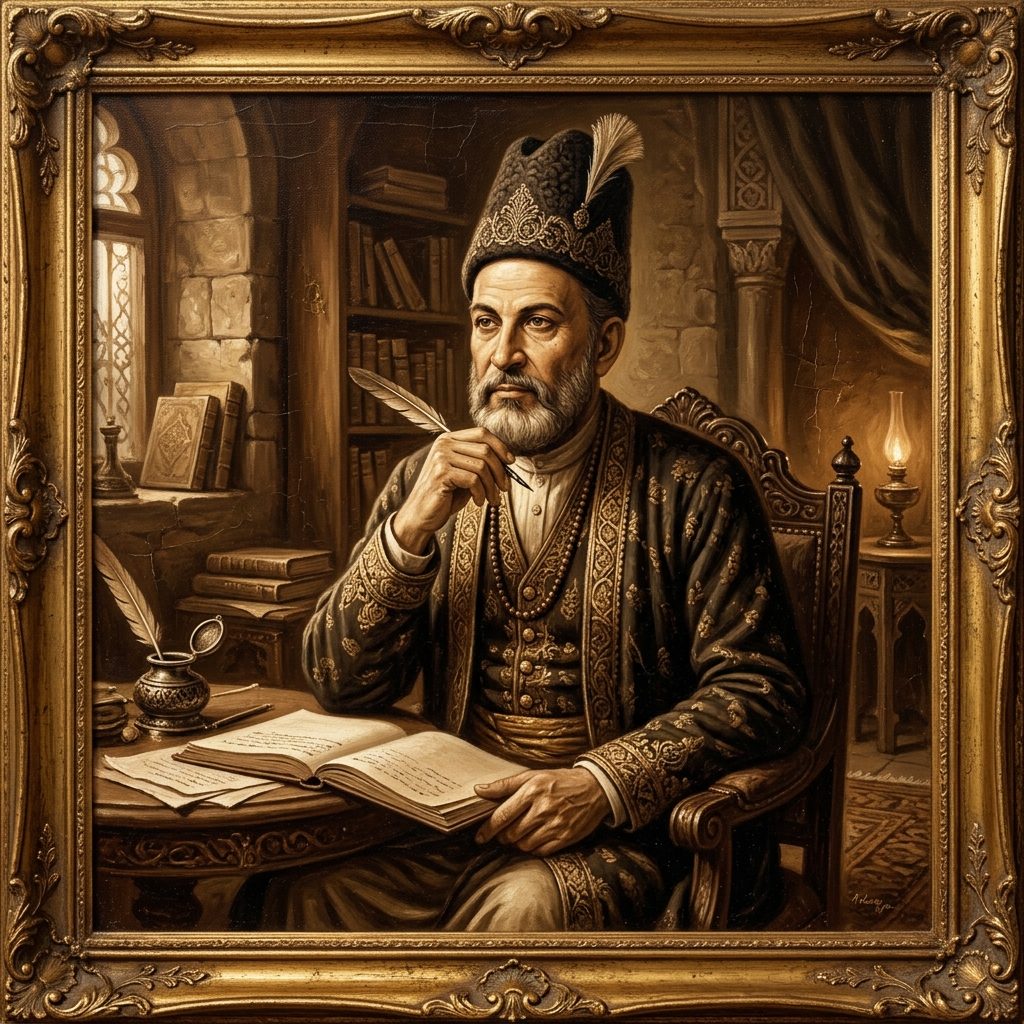
Urdu's elder sister — the novelist who read the soul through the household. Bano Qudsia (1928–2017), born Qudsia Chattha on 28 November 1928 at Firozpur in the Punjab, was the novelist, playwright and spiritual thinker whom readers called Bano Aapa — elder sister to a whole generation of Urdu readers. She was born into an educated Muslim Jat family; her father, Chaudhry Badr-uz-Zaman Chattha, was a landlord with a degree in agriculture, and her mother served as an Inspector of Schools. Her father died while she was still young, and after Partition the family moved to Lahore, where she had already begun writing short stories as a schoolgirl. She graduated from Kinnaird College, Lahore, and took her M.A. in Urdu Literature from Government College, Lahore, in 1951, where she met the writer Ashfaq Ahmed; they married, and had three sons, Aneeq, Anees and Aseer. Her first full-length novel, Raja Gidh (1981), is counted a modern classic of Urdu — a story of forbidden love and its price, told through the vulture's nature and the line between the lawful and the unlawful — and it made her name. Around it stand her other novels and story books — Aatish-e-Zer-e-Paa, Aik Din, Asay Pasay, Chahar Chaman, Chhota Sheher Baray Log, Footpath Ki Ghaas, Haasil Ghaat — and her plays for stage and television, above all Aadhi Baat, the story of a retired headmaster, with Hawwa Kay Naam, Sehra and Khaleej beside it; she wrote plays in Punjabi as well. After her husband's death she completed his unfinished life story, Baba Saheba, as Raah-e-Rawaan, and she wrote Mard-e-Abresham on Qudrat Ullah Shahab. Her writing holds together the spiritual life and the life of the household: morality, psychology, and the inner voice, in a style simple on the surface and deep underneath. Pakistan honoured her with the Sitara-i-Imtiaz in 1983, the Hilal-i-Imtiaz in 2010 and the Kamal-e-Fun Award in 2012. She died at the Ittefaq Hospital in Lahore on 4 February 2017, aged eighty-eight.
Follow Bano Qudsia
0 FollowersReceive instant email alerts whenever new Ghazals, Nazms, or Couplets by Bano Qudsia are published.