
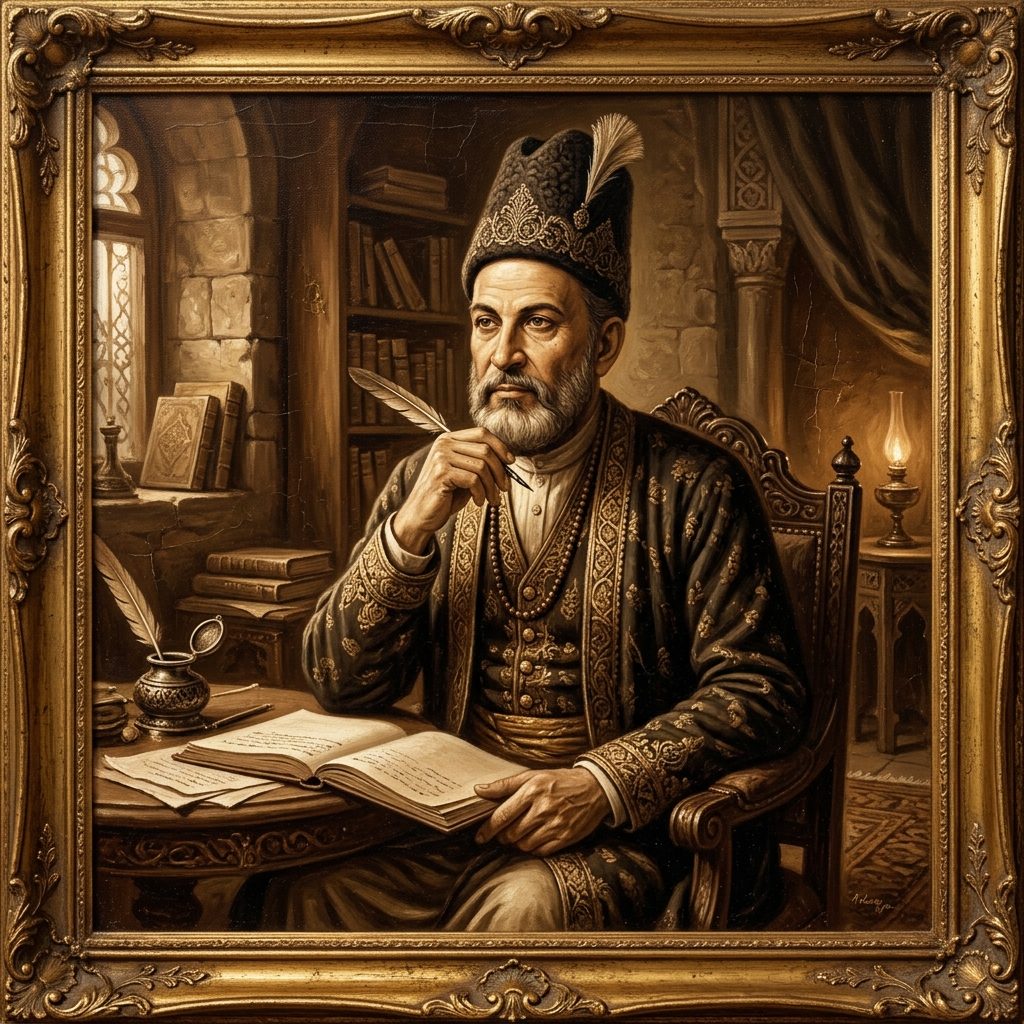
Muzaffar Warsi
Pakistan's voice of hamd and naat — praise sung plain, and truth spoken plain. Muzaffar Warsi (1933–2011), born Mohammad Muzaffar ud din Siddiqui on 23 December 1933 at Meerut, was a Pakistani Urdu poet, critic, essayist and lyricist who became one of the most loved voices of the hamd and the naat in his lifetime. He came from a family of landlords in Meerut; his father was known as Sufi Warsi, and the son took 'Warsi' as his pen name. He began in poetry writing lyrics for Pakistani films, and he was long remembered for the songs of the film Hamrahi, but step by step his work turned towards the praise of God and the Prophet, and it is as a poet of hamd and naat that he is remembered above all — his best-loved naat, "Mera Payambar azeem tar hai", is still sung today. He worked for the State Bank of Pakistan, rising to deputy treasurer, and for years he wrote a daily quatrain on the events of the day for the newspaper Nawa-i-Waqt. He tried his hand at every form — ghazal, nazm, naat and hamd — and his books include the hamd collection Alhamd (1984), the naat collections Baab-e-Haram (1984), Noor-e-Azal (1984) and Kaaba-e-Ishq (1989), and the ghazal collections Barf ki Nao, Lehja (1984), Lahoo ki Haryali (1988) and Khule Dareechey Band Hawa (1993); his autobiography, Gaye Dinon Ka Suraagh, is counted a classic of its kind. In 1988 the Government of Pakistan honoured him with the Pride of Performance. He died at Lahore on 28 January 2011, aged seventy-seven, and was buried in the Johar Town graveyard in Lahore.
Follow Muzaffar Warsi
0 FollowersReceive instant email alerts whenever new Ghazals, Nazms, or Couplets by Muzaffar Warsi are published.