
Poets Directory (شعرائے کرام)
Explore profiles, portraits, life biographies, and complete poetry of classical and modern Urdu luminaries.
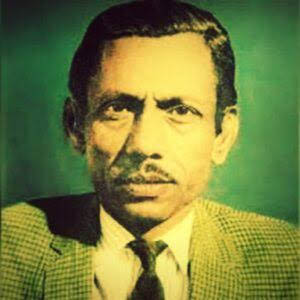
Nasir Kazmi
Nasir Kazmi was the quintessential poet of dusk, moonlight, sorrow, and longing. His simple yet intensely musical ghazals captured the nostalgia and displacement of the post-partition subcontinent.
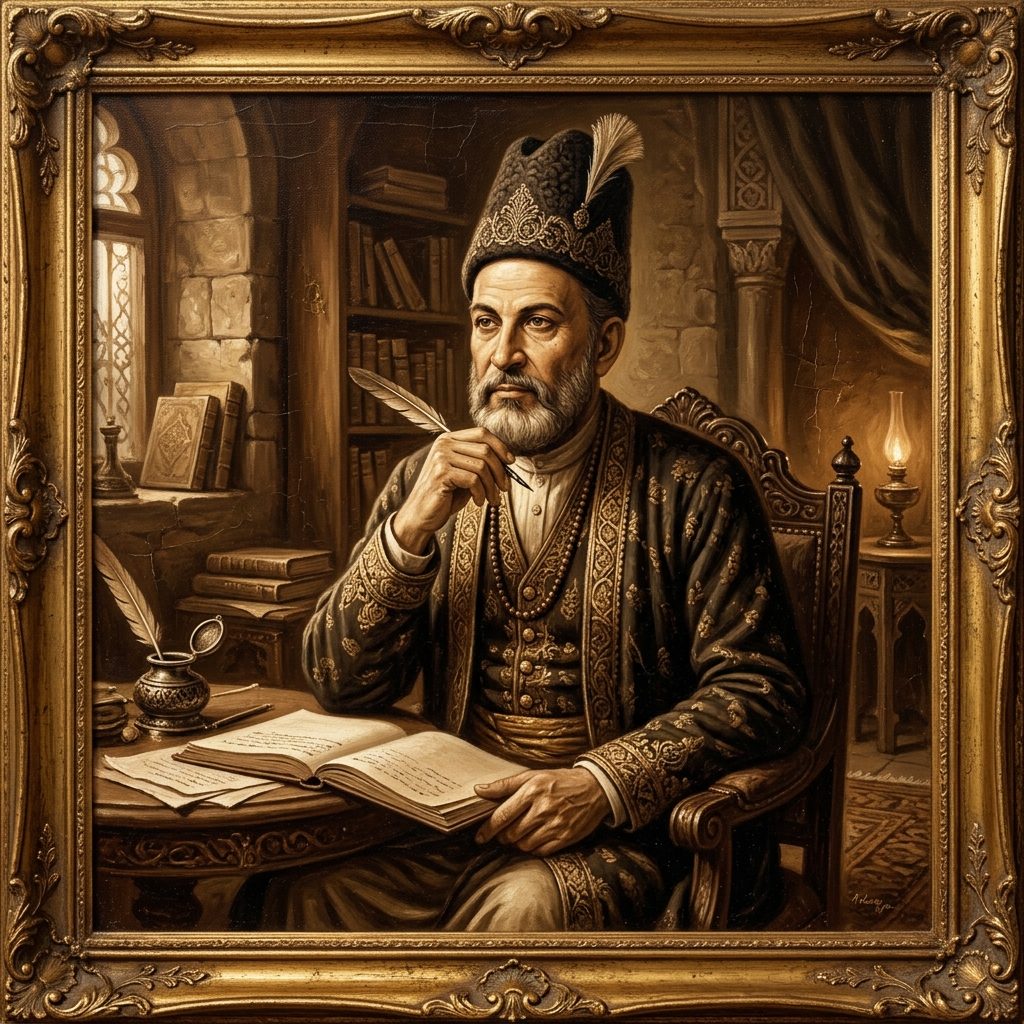
Nasreen Anjum Bhatti
Nasreen Anjum Bhatti (birth year unknown–2016) was a Pakistani poet, painter, broadcaster and rights activist, born in Quetta and raised in Jacobabad, Sindh. She took her M.A. in Urdu from Oriental College, Lahore, in 1970 and joined Radio Pakistan in 1971, where she served as producer, broadcaster and deputy controller, later becoming resident director of the Shakir Ali Museum in Lahore. Writing in both Punjabi and Urdu, she was a feminist voice of resistance — against General Zia's martial law and against patriarchy. Her first Punjabi collection, *Neel Karaiyan Neelkan* (1979), contains the long poem "Bhutto di Vaar" on Zulfikar Ali Bhutto's hanging; *Athay Pehr Tarah* (2009) followed, with the Urdu collections *Bin Bass* and *Tera Lehja Badalne Tak*. She received the Tamgha-i-Imtiaz in 2011 and died of cancer in Karachi in January 2016.
Nazar Muhammad Rashid, known as Noon Meem Rashid (1 August 1910 – 9 October 1975), was the pioneer of free verse in Urdu and, with Miraji, is regarded as a father of modern Urdu poetry; Faiz Ahmed Faiz called him *Malik-ush-Shoara*, King of Poets. Son of Raja Fazal Ilahi Chishti, a District Inspector of Schools and lover of Ghalib, he took an MA in Economics from Government College Lahore. His first poem, *Jurrat-e-Parwaz*, appeared in 1932, and his first free-verse book, *Mavra* (1940/41), broke Urdu poetry open. He served as a captain in the Royal Indian Army in the Second World War, then worked for All India Radio and Radio Pakistan, Voice of America, and the United Nations in New York, Jakarta, Karachi and Tehran. His collections include *Mavra*, *Iran Mein Ajnabi* (1955), *La-Insan* (1969) and the posthumous *Gumaan Ka Mumkin* (1977). His style is intellectual, philosophical and cosmic — poetry of thought and of the "new man" (*Adam-e-Nau*), breaking religious, geographical and linguistic boundaries; deliberately difficult — a poet of qualities, not of the people.
Nazeer Banarasi
Banaras's own voice — the Unani physician who wrote the nation's unity into nazm and ghazal. Nazeer Banarasi (1909–1996), born Nazeer Ahmad on 25 November 1909 at Banaras, was an Indian Urdu poet of nazm and ghazal, and a Unani physician by profession. His father was a well-known practitioner of Unani medicine in Banaras, and Nazeer joined his father's profession, serving his city with both medicine and poetry all his life — he never moved to Delhi or Mumbai to chase fame. He chose his material from the life around him, and his poetry became a living record of his times: he wrote for Hindu-Muslim understanding and Indian nationalism, and composed long poems on the leading literary, social and political figures of his day. His collections include Gang-o-Jaman, Rashtra ki Amanat Rashtra ke Hawale, Jawahar se Lal Tak, Ghulami se Azaadi Tak and Kitab-e-Ghazal. He died on 23 March 1996 at Banaras, aged 86.
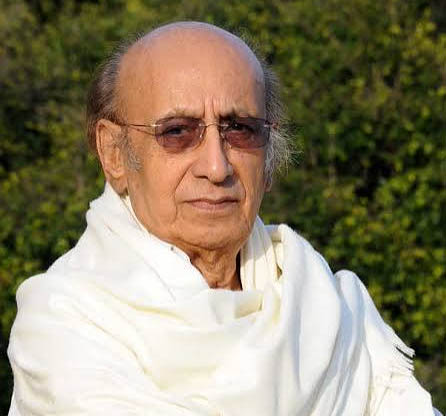
Nida Fazli
Nida Fazli was a Sahitya Akademi Award winning poet and lyricist who bridged Urdu and Hindi with deep humanist sensitivity, Doha compositions, and colloquial everyday philosophy.