
Poets Directory (شعرائے کرام)
Explore profiles, portraits, life biographies, and complete poetry of classical and modern Urdu luminaries.
Daya Shankar Naseem
Pandit Daya Shankar Naseem (1811–1845) — born Daya Shankar Kaul in Lucknow — was a 19th-century Awadh poet and disciple of Khwaja Haider Ali Atash. Born into a respected Kashmiri Pandit family, he served as a clerk in the Nawabi army's finance department under Nawabs Ghazi-ud-Din Haider and Naseer-ud-Din Haider, at the height of Lucknow's comforts and luxuries. He began, like Atash's other pupils, with the ghazal — but the ghazal could not contain his imagination. His enduring fame rests on the romantic masnavi *Gulzar-e-Naseem* (published 1844): the tale of Prince Taj-ul-Muluk and the fairy Gul Bakawali, versified from Persian prose — hailed as the masnavi that represents the Lucknow school of poetry, and prized above all for its language, the very idiom of dabistan-e-Lucknow. He died young, at about thirty-four; his authorship of the masnavi was once questioned and was defended by Brij Narayan Chakbast.
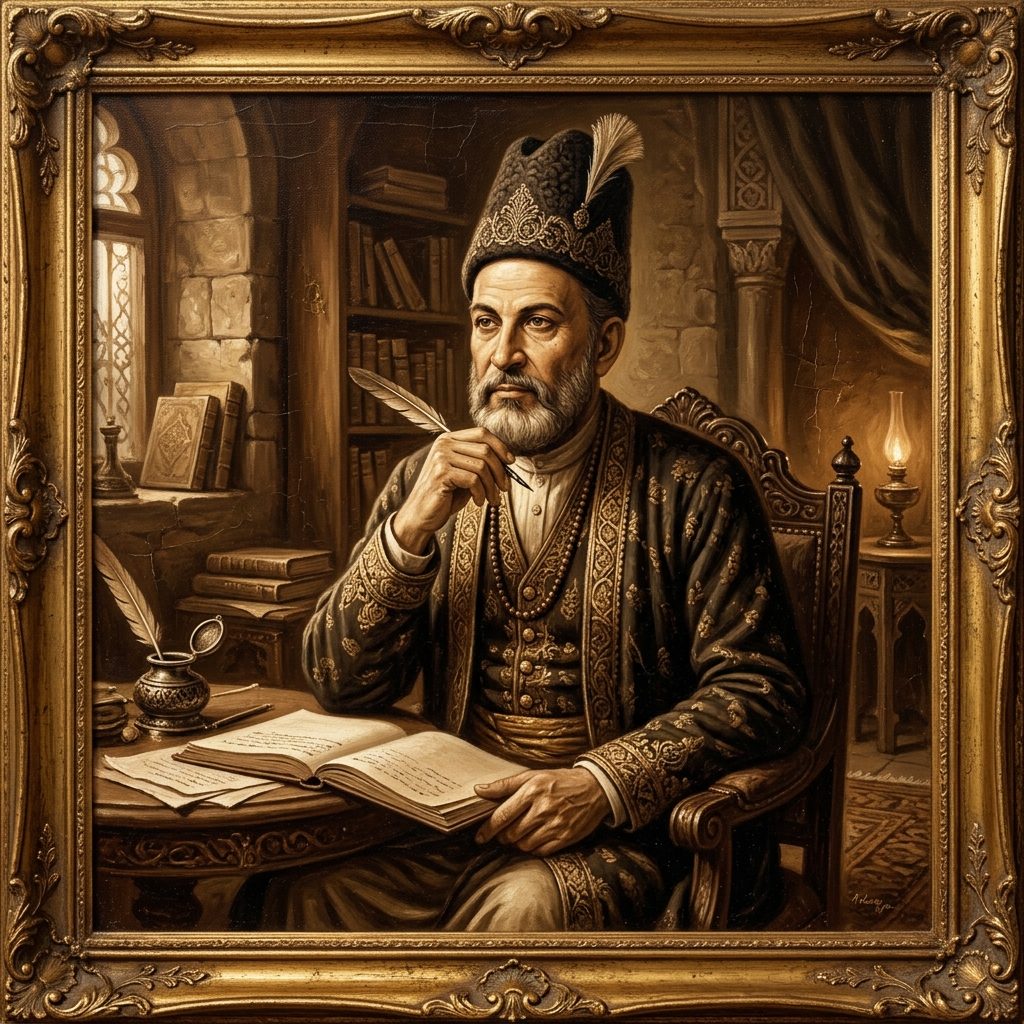
Dil Shahjahanpuri
Shahjahanpur's classical ghazal poet — love told straight, from its beginning to its end. Dil Shahjahanpuri (1875–1959), born Zameer Hasan Khan in Shahjahanpur in 1875, was a ghazal poet of the old classical line who lived his whole life in the small town whose name he carried. He learnt his craft as a disciple of Amir Meenai, one of the great masters of the nineteenth-century ghazal, and he kept that manner all his life — plain speech, clean rhyme, and love, separation and the wine-cup as his whole world. Two collections of his ghazals survive in print, Naghma-e-Dil and Tarana-e-Dil, and he also wrote a novel, Dard-e-Dil. A full study of his life and work appeared in 1988, nearly thirty years after his death, and it remains the one book devoted to him. He died in Shahjahanpur in 1959, in the town where he was born.
Dushyant Kumar
Bijnor's voice of the common person — the pain must melt, and from this Himalaya a Ganga must flow. Dushyant Kumar (1931–1975), born in September 1931 at Rajpur Navada, a small village in Bijnor district, was the poet who carried the ghazal into Hindi and made it the voice of the common person. He took his MA in Hindi from Allahabad University, where his literary life began, and worked as a scriptwriter at All India Radio in Delhi before moving to Bhopal, where he served at Akashvani and in the state's cultural and language department. He wrote poems, novels and plays — Ek Kanth Vishpayi and Mann Ke Kon among them — but his name rests on the ghazal: in plain, spoken Hindi he gave the old form a new anger and a new hope, writing of hunger, of locked doors, of lamps that never reach the city. His collection Saaye Mein Dhoop — Sunlight in the Shade — appeared in 1975, the year of his death, and its lines were taken up in movements and on the streets, quoted in parliaments and protests alike. He died of a heart attack at Bhopal on 30 December 1975, aged 44; a manuscript museum in Bhopal keeps his papers.
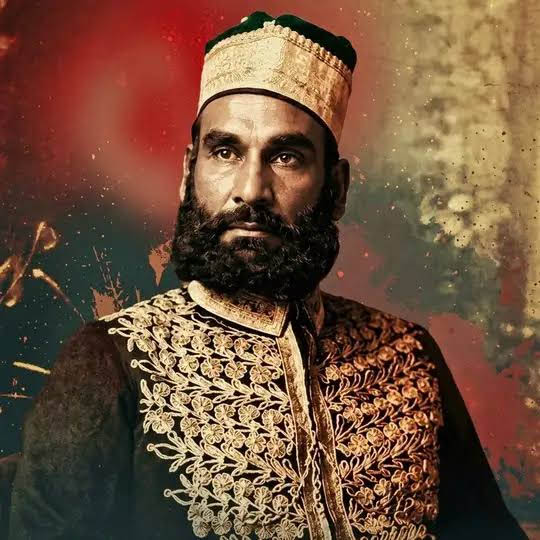
Daagh Dehlvi
The last voice of Mughal Delhi — ghazals of effortless simplicity that charmed commoner and court alike.