Poets Directory (شعرائے کرام)
Explore profiles, portraits, life biographies, and complete poetry of classical and modern Urdu luminaries.
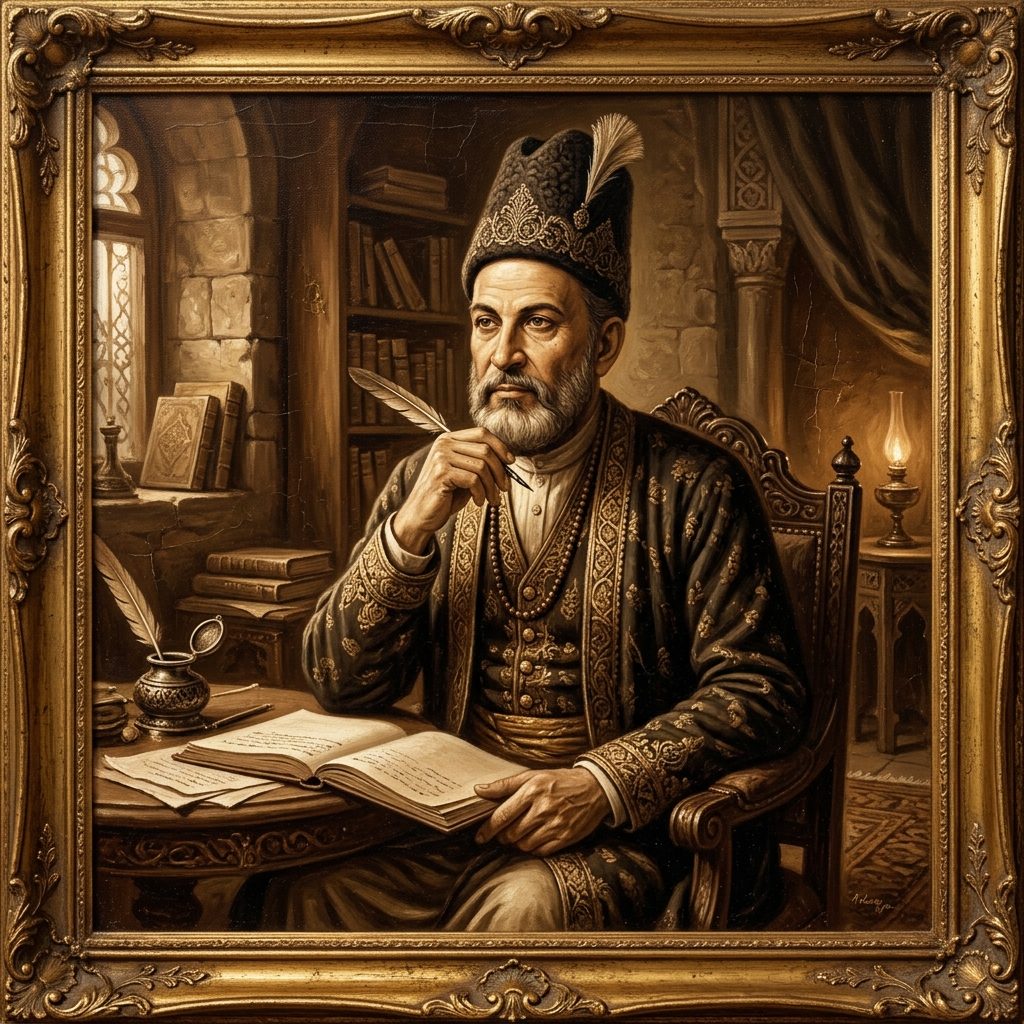
Qamar Jalalvi
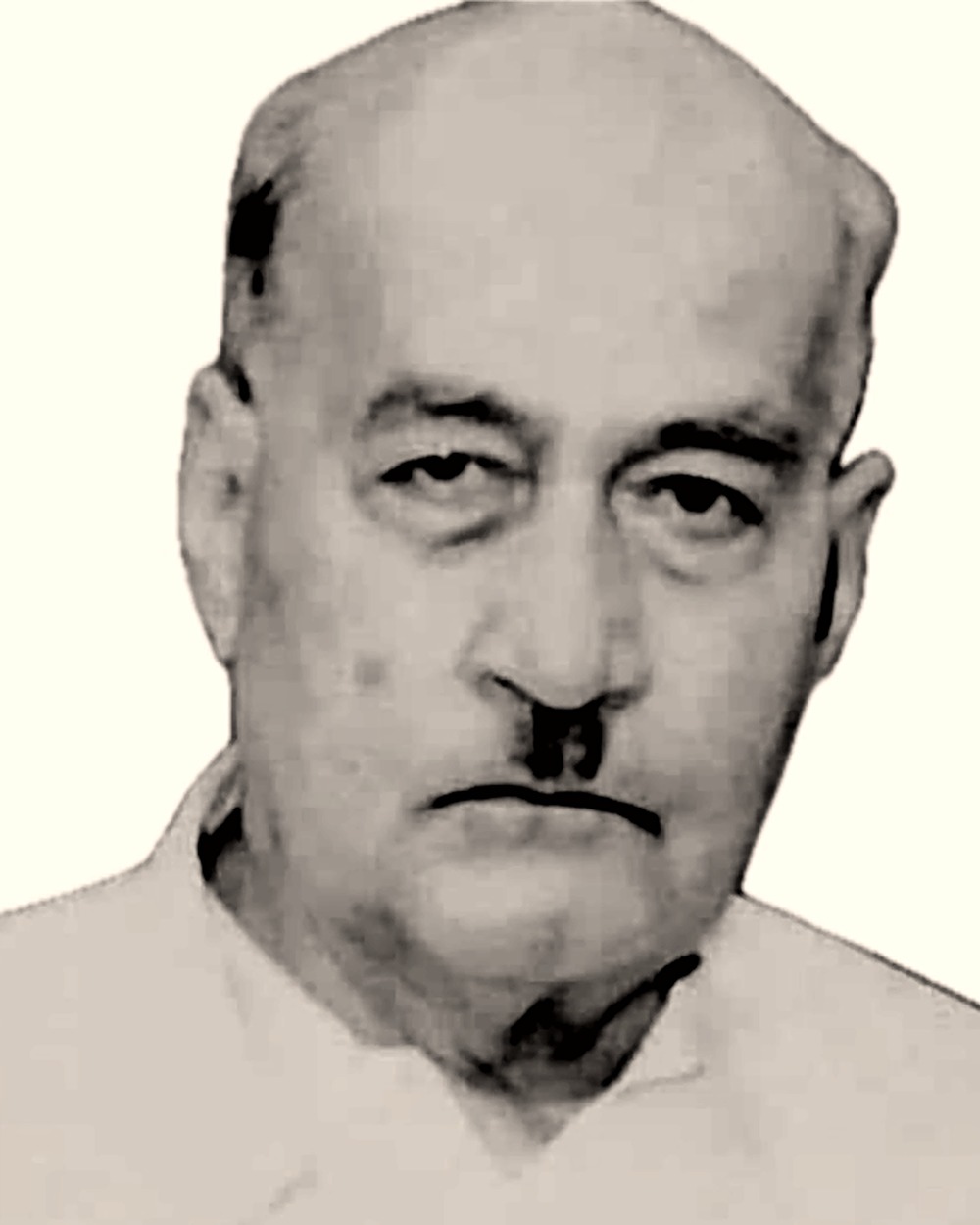
Qamar Jalalvi (1887–1968) was a classical Urdu ghazal poet celebrated for the simplicity and clarity of his expression. Born Syed Mohammad Hussain in Jalali, near Aligarh, he began writing poetry at the age of eight and was already popular by his twenties. He earned his living for many years repairing bicycles; the title "Ustad" — first given to him as a skilled workman — stayed with him as critics recognised his mastery of the ghazal, and he became known as Ustad Qamar Jalalvi. He lived in great financial hardship despite his fame. After the Partition of 1947 he moved to Karachi, where he spent the rest of his life. His ghazal collections include Rashk-e-Qamar, Auj-e-Qamar, Tajalliyat-e-Qamar and Gham-e-Javedan. Many of his ghazals were set to music and sung, but his reputation rests on the chaste classical ghazal itself: direct language, a complete thought in two lines, and a maqta that turns on his own name, Qamar — the moon.
Qateel Shifai
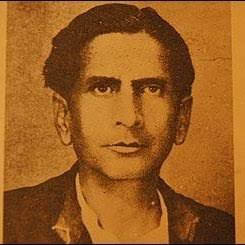
Qateel Shifai (1919–2001), born Muhammad Aurangzeb Khan on 24 December 1919 at Haripur in the Hazara Division, was Urdu's great lyrical poet — a ghazal writer whose lines travelled, without losing their literary shape, into the mouths of millions through film. His father's death in 1935 cut short his education; small businesses failed, and in 1946 he was called to Lahore as assistant editor of the monthly Adab-e-Latif. He showed his early verse to Hakim Yahya Shifa Khanpuri, from whom he took "Shifai", and then became the disciple — and neighbour and friend — of Ahmad Nadeem Qasmi. From Teri Yaad (1947) he wrote film lyrics for over five decades, more than two thousand songs, while publishing some twenty collections of ghazals and nazms — Guftagu, Bargad, Amokhta among them — in a diction deliberately simple, musical and close to ordinary speech. He received the Adamjee Literary Award (1964) and the Pride of Performance (1994); his autobiography Ghungroo Toot Gaye appeared posthumously. He died in Lahore on 11 July 2001; Haripur and a Lahore street now carry his name.
Rais Amrohvi
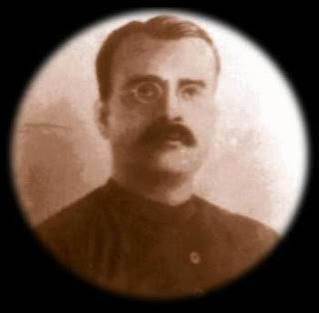
Rais Amrohvi, born Syed Muhammad Mehdi in Amroha in 1914, was a Pakistani Urdu poet, scholar, journalist and psychoanalyst, and the elder brother of Jaun Elia. After migrating to Pakistan in 1947 he settled in Karachi, where for decades he wrote quatrains for the daily Jang, becoming famous for qata-nigari — the topical quatrain as a daily comment on politics, society and morals. He founded the Rais Academy for emotional and moral well-being and wrote widely on metaphysics, meditation and yoga, besides attempting an Urdu translation of the Bhagavad Gita. His books include Masnavi Lala-e-Sehra (1956), Pase Ghubar (1969), the Qattat volumes, Hikayaat (1975) and Aasaar (1985). His most famous poem, on the threatened fate of Urdu, opens "Urdu ka janaza hai zara dhoom se nikle." He was assassinated in Karachi on 22 September 1988.
Rajinder Krishan
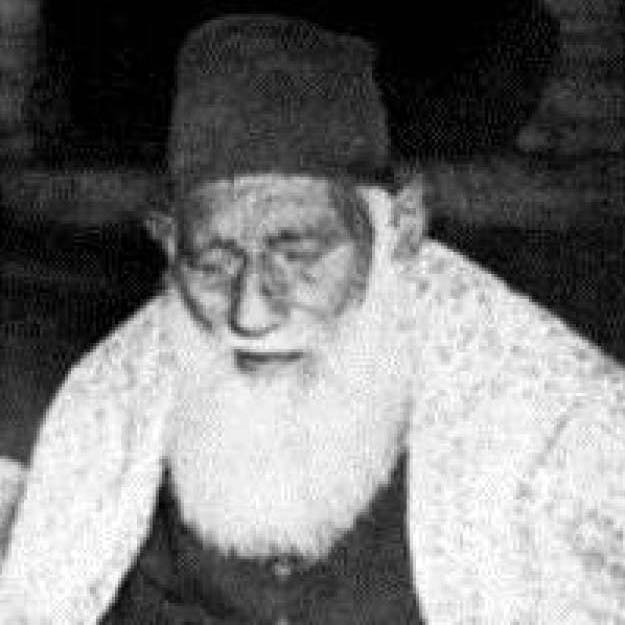
Rajinder Krishan (1919–1987), born Rajinder Krishan Duggal on 6 June 1919 in Jalalpur Jattan, in Gujrat district, was Hindi cinema's quiet master — a poet, lyricist and screenwriter who wrote more than sixteen hundred songs and never sought the limelight. He began writing couplets as a schoolboy, recited at his first mushaira at fifteen in Shimla, and learned his craft from the Urdu of Firaq Gorakhpuri and Ehsan Danish and the Hindi of Pant and Nirala. He moved to Bombay in the mid-1940s, wrote his first screenplay, Janta (1947), and his first film lyrics for Zanjeer (1947); Aaj Ki Raat (1948), Badi Bahen (1949) and Lahore (1949) made his name. Days after Mahatma Gandhi's assassination he wrote "Suno Suno Ai Duniya Walon, Bapu Ki Yeh Amar Kahani", which became a national lament. Across four decades he wrote songs of every kind — "Tumhi Mere Mandir, Tumhi Meri Pooja", "Chal Ud Ja Re Panchhi", "Mujhe Le Chalo", "Ek Chatur Naar", "Mere Piya Gaye Rangoon", "Chup Chup Khade Ho" — and the dialogues and screenplay of Padosan, besides eighteen scripts for AVM Studios. He won the Filmfare Award for Best Lyricist once, in 1966, for "Tumhi Mere Mandir, Tumhi Meri Pooja" (Khandan). He was also a ghazal poet in his own right, and his ghazals carry the same plain, aching Urdu as his songs. He kept so low a profile that many who loved his songs never knew his face — few photographs of him exist. He died in Bombay on 23 September 1987, aged 68; after his death His Master's Voice brought out an album of twelve of his songs.
Ratan Nath Sarshar
Lucknow's great novelist — Azad and Khoji, and the city that laughed at itself. Ratan Nath Dhar Sarshar (1846–1903), known by his pen name Sarshar, was one of the pioneers of the Urdu novel — a novelist, journalist, translator and editor whose great book, Fasana-e-Azad, brought the streets of Lucknow alive in print. Born in 1846 into a Kashmiri Pandit family settled in Lucknow, he lost his father at the age of four and was brought up by his mother. He learnt Persian and Arabic in the old way, entered Canning College but left without taking a degree, and taught for a time in a school in Kheri district. In August 1878 he became editor of the Lucknow newspaper Avadh Akhbar, and in its pages his Fasana-e-Azad began to appear — the wandering tale of Azad and his companion Khoji, from the lanes of Lucknow to the battlefields of the Russo-Turkish War, told with the humour of Don Quixote and Pickwick and the colour of the old dastan. Published in four volumes between 1881 and 1883, it ran to more than three thousand pages and stands among the first novels in Urdu; Premchand later turned it into Hindi as Azad Katha. Later novels followed — Sair-e-Kohsar and Jam-e-Sarshar — and translations, among them Don Quixote as Khuda-e-Foujdar and the Alif Laila. In 1895 he moved to Hyderabad, where he worked for Maharaja Sir Kishen Pershad and edited the journal Dabdaba-e-Asifi. He wrote poetry too, and taught poetry to the Maharaja, but his fame rests on his prose. He died at Hyderabad on 21 January 1903.
Safi Lakhnavi
Safi Lakhnavi (1862–1950) was a Lucknow Urdu poet of the people, honoured as Lassan-ul-Qaum, the spokesman of the people. Born Syed Ali Naqi Zaidi in Lucknow, he received his early education from his father, learnt Persian from Najmuddin Kakorvi and Arabic from Maulvi Ahmad Ali, took his Entrance degree from Canning College, and taught English in the school attached to that college. In 1883 he joined government service in the revenue department. He began writing verse at the age of thirteen without an ustad, when having a teacher was the norm, and his poetry broke from traditional Urdu verse in its plain, sweet language of the common folk. He preferred the nazm to the traditional ghazal, wrote patriotic poems on the social, political and cultural condition of his times, and also practised qasida, mathnawi and rubai. His works are gathered in Aagosh-e-Maadar, Tanzeem-ul-Hayaat and Deewan-i-Safi.
Saghar Nizami
Aligarh's star of the modern ghazal — the dramatist of Anarkali, honoured with the Padma Bhushan. Saghar Nizami (1905–1984), born Samad Yar Khan on 21 December 1905 at Aligarh, was an Indian Urdu poet of ghazal and nazm, and one of the chief revivers of the Urdu poetic drama. His father, Sardar Ahmed Yaar Khan, was a well-known medical doctor in the service of the British government of India. Saghar was among the earliest disciples of Seemab Akbarabadi, and from 1923 to 1932 he edited Paimana, a monthly magazine published by his teacher in Agra. In 1933 he moved to Meerut and founded Adabi Markaz, a publishing house which in its very first year introduced Mehr Lal Soni Zia Fatehabadi to the Urdu literary world by publishing Tullu, the latter's first collection of poems. His own collections include Subuhi (1934), Badah-e-Mashriq (1934), Kahkashan (1934), Rangmahal (1943), Mauj-e-Sahil (1949) and Nehrunama (1967). His great verse drama Anarkali was first broadcast as a radio script in 1958 and published in 1963; he also wrote Nehru Nama (1967), Samandar ki Devi (1972) and Mash'al-e-Azadi (1980), for which he received the Urdu Academy Award in 1981. He was honoured with the Padma Bhushan in 1969 and the Ghalib Award in 1982, and he worked in All India Radio. He died on 27 February 1984 at Delhi, aged 78.
Saghar Siddiqui
Muhammad Akhtar "Saghar" Siddiqui (1928–1974), remembered as the Shaair-e-Dard (Poet of Pain), was born in Ambala in British India's Punjab and began writing poetry as a child. He first wrote under the pen name Nasir Hijazi before becoming known as Saghar. After Partition in 1947 he migrated to Pakistan and settled in Lahore, where his melodious ghazals made him a beloved mushaira voice. He wrote for films and founded a literary magazine that won critical praise but failed commercially. Disappointment, financial ruin and addiction followed, and in his later years he lived on the streets of Lahore, still composing verse and still holding mushairas by candlelight on the footpaths. In July 1974 he was found dead on a street corner in Lahore, aged 46, and was buried at the Miani Sahib graveyard. Much of his later work is lost or unpublished, which is part of why the voice that survives — pain stated plainly, without ornament — still moves readers so directly.
Sahir Hoshiarpuri
Hoshiarpur's enchanter — who says love has a language? The eyes say it all. Sahir Hoshiarpuri (1913–1994), born Ram Prakash Sharma on 5 March 1913 at Hoshiarpur in Punjab, was an Indian Urdu poet whose main form was the ghazal. He studied at Government College and took his M.A. in Persian in 1935, learning his craft as a disciple of Josh Malsiyani of the Dagh school. In his college days he formed a lifelong friendship with the poet Mehr Lal Soni Zia Fatehabadi, and the two later lived in Kanpur. With Naresh Kumar Shad he edited the Urdu journal Chandan. Five collections of his verse appeared in his lifetime — Jal Tarang, Sahar-e-Ghazal (1959), Sahar-e-Naghma (1970), Sahar-e-Haraf (1982) and Sahar-e-Khayal (1990) — and his late study Nuqoosh-e-Dagh (1992) gathered the poets of the Dagh school. His ghazals were sung by leading singers, among them Jagjit Singh, and in 1989 the Ghalib Institute honoured him with the Ghalib Award. He died on 18 December 1994, aged 81.
Sail Dehlvi
Sail Dehlvi (1867–1945), born Nawab Sirajuddin Ahmad Khan, was a later-classical poet of the Delhi school and a carrier of Dagh Dehlavi's tradition. Born in Delhi on 29 March 1867, he was the son of Mirza Shahabuddin Ahmad Khan Saaqib and the grandson of the Loharu jagirdar Nawab Ziyauddin Ahmad Khan Nayyar Darakhshan; his name is said to have been suggested by Ghalib himself. He studied Arabic, Persian, Sanskrit and Unani medicine, became Dagh's disciple and later his son-in-law, and was a remarkable presence in the mushairas of his day. After Dagh's death, his rivalry with Bekhud Dehlvi over Dagh's legacy grew so bitter that Sail withdrew from mushairas altogether. His divan remained unpublished. He died in Delhi on 25 September 1945 and was buried at Mehrauli.