Poets Directory (شعرائے کرام)
Explore profiles, portraits, life biographies, and complete poetry of classical and modern Urdu luminaries.
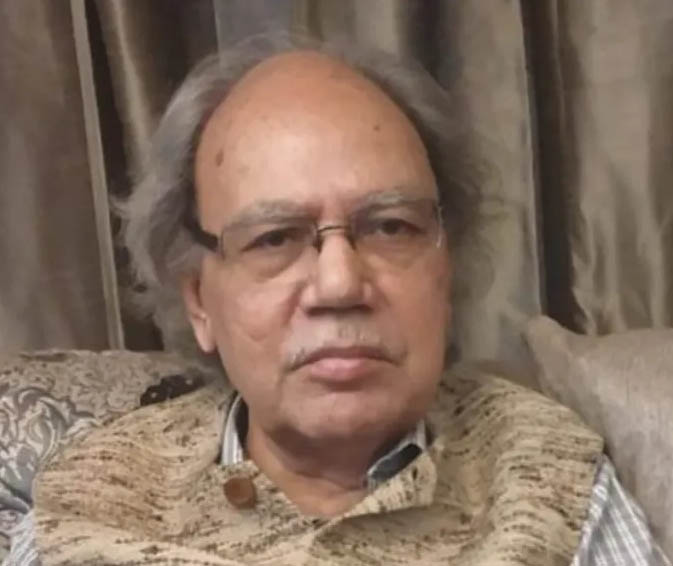
Prof. Shamim Hanfi
Celebrated Indian Urdu critic, playwright, dramatist, and literary historian. Former Professor Emeritus at Jamia Millia Islamia, renowned for his profound philosophical critiques and modern poetic analysis.
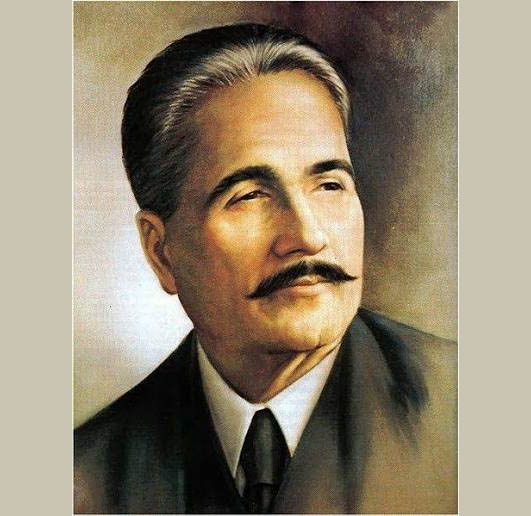
Allama Iqbal
Sir Muhammad Iqbal, known as Muffakir-e-Pakistan and Shair-e-Mashriq (Poet of the East), was a towering philosopher, visionary poet, and politician whose philosophy of Khudi (Selfhood) reawakened the subcontinent.
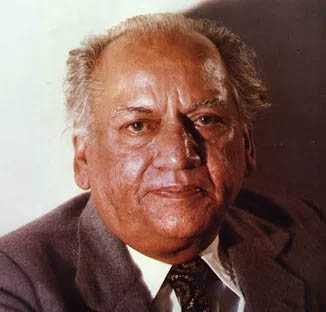
Faiz Ahmed Faiz
Faiz Ahmed Faiz was a nominated Nobel Prize poet and Lenin Peace Prize laureate. He seamlessly blended the classical romantic imagery of the ghazal with revolutionary themes of social justice, anti-imperialism, and human rights.
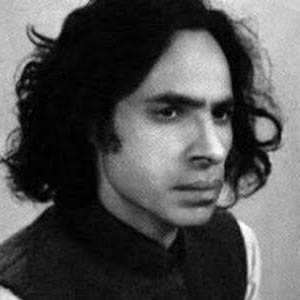
Jaun Elia
Jaun Elia was an unconventional scholar, philosopher, and poet whose raw emotional intensity, sharp existential irony, unapologetic nihilism, and theatrical recitation style earned him an immense cult following worldwide.
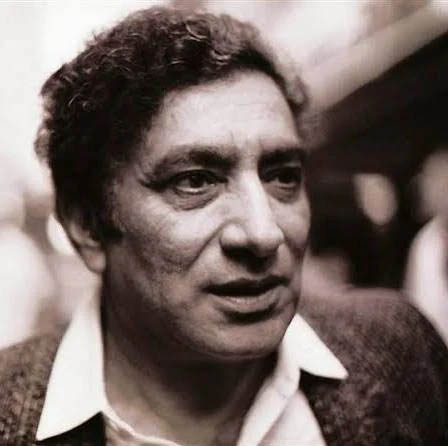
Ahmad Faraz
Ahmad Faraz is widely regarded as one of the greatest modern Urdu poets of romance, elegance, and defiance against political tyranny. His ghazals like "Ranjish Hi Sahi" are sung across the world.
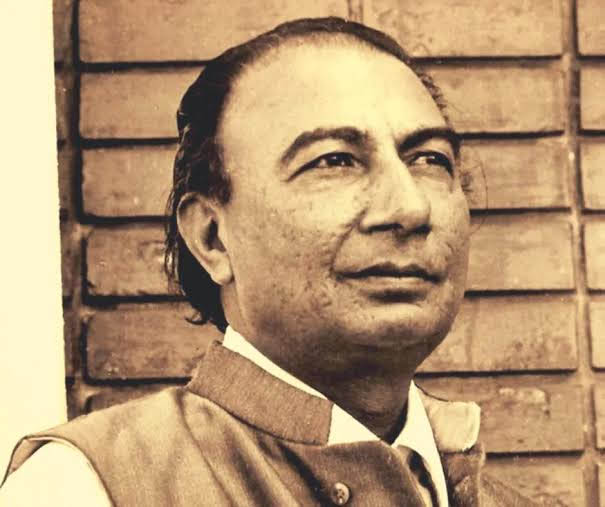
Sahir Ludhianvi
Sahir Ludhianvi was an iconic progressive poet and the most influential lyricist in Hindi-Urdu cinema. His poetry in "Talkhiyan" challenged feudal hypocrisy, religious dogma, and celebrated working-class dignity.
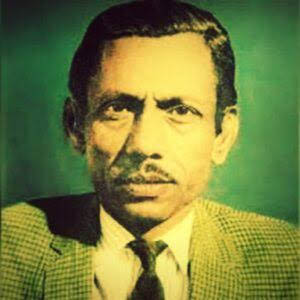
Nasir Kazmi
Nasir Kazmi was the quintessential poet of dusk, moonlight, sorrow, and longing. His simple yet intensely musical ghazals captured the nostalgia and displacement of the post-partition subcontinent.
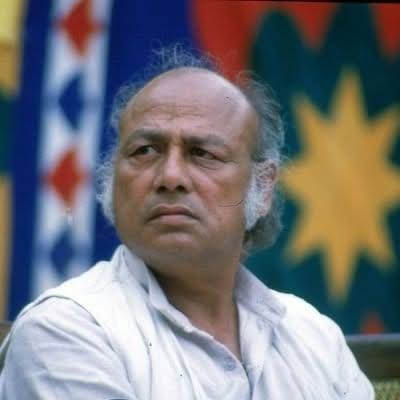
Habib Jalib
Habib Jalib was known as the "Shair-e-Awam" (The People's Poet). A fearless dissident who spent years in prison defying military dictatorships, his poem "Dastoor" is an eternal anthem of defiance.
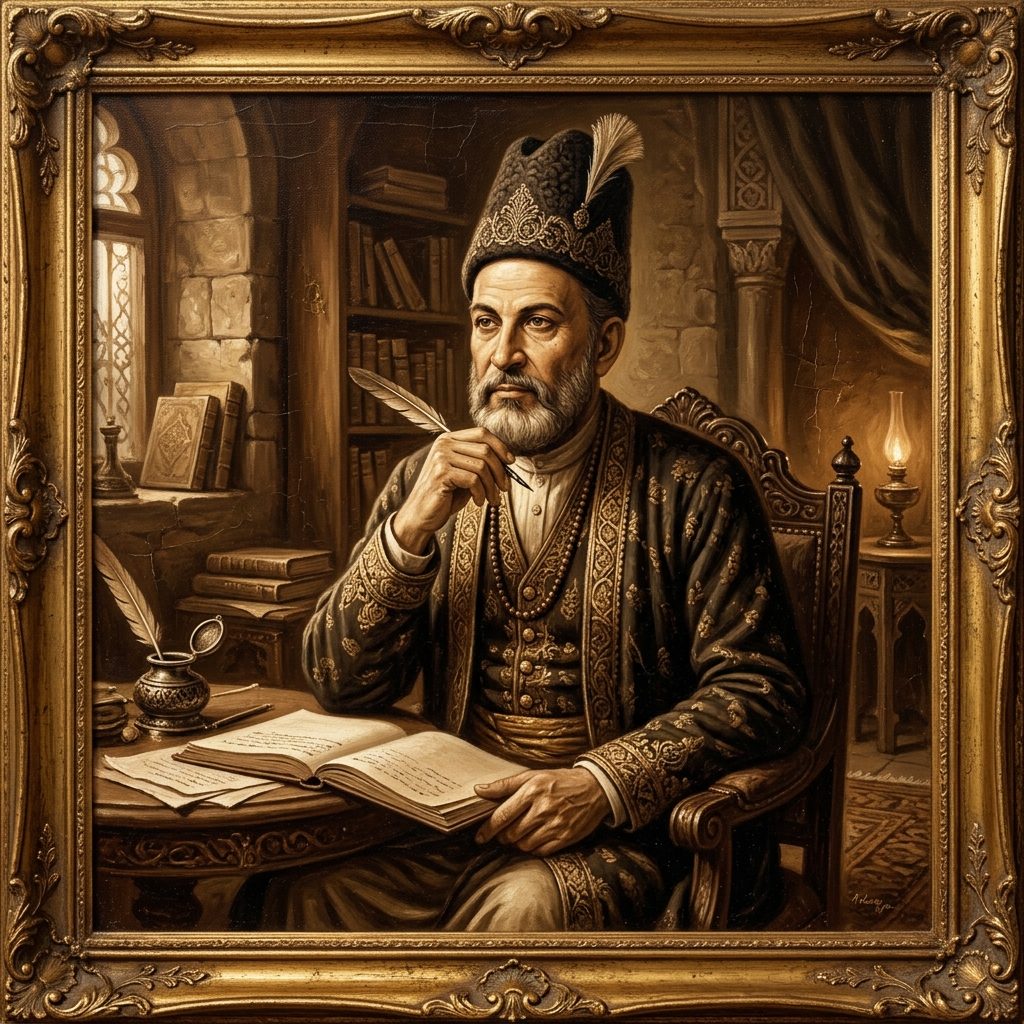
Abdul Halim Sharar
Lucknow's great storyteller — the pioneer who made history the stuff of the Urdu novel. Abdul Halim Sharar (1860–1926), pen name Sharar, was a Lucknow novelist, historian, essayist, playwright and poet — the pioneer of the historical novel in Urdu. Born at Lucknow in 1860, the son of Hakim Tafazzul Husain, a scholar of Islamic religion and Persian literature, he was educated at home in Arabic and Persian. His first novel, Dilchasp, appeared in 1885, and in 1887 he launched his own magazine, Dil Gudaz, which he ran for decades. More than a hundred books are counted to his name, about thirty of them historical novels — Malik-ul-Aziz Virginia (1889), Firdaus-e-Bareen (1899), Zawal-e-Baghdad (1912), Husn ka Daku (1913–14), Darbar-e-Harampur (1914) and Fateh Maftooh (1916) among them — romances of the Islamic past that made history the stuff of popular reading. From 1913 his essays on the life and culture of Lucknow appeared in Dil Gudaz; gathered as Guzishta Lucknow, they remain the fullest portrait of the city's last Nawabi age. He served for a time in Hyderabad in the service of the Nizam, translated the Kitab-ut-Tauheed into Urdu, and also wrote poetry under his pen name. He died at Lucknow on 1 December 1926.
Abdul Hamid Adam
Abdul Hamid Adam was a Pakistani Urdu poet celebrated for simple, musical ghazals in short metres that speak directly to the heart. After his father's early death he was raised by a relative, educated in Lahore, and spent his working life in military accounts, rising to Deputy Assistant Controller before retiring in 1966. He first used the takhallus Akhtar, then Adam, and wrote ghazals, nazms, masnavis and qataat; 84 ghazals, 111 sher and 25 e-books survive under his name, with about four dozen collections in all. His work keeps classical imagery — wine, candle, moth, garden — but treats it with plain language, patience and quiet contentment, and his romantic ghazals made him a popular mushaira voice. He died in Lahore on 10 March 1981.